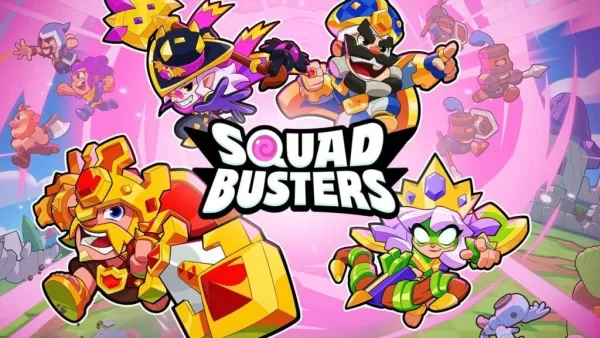
The shutdown of Squad Busters marks a notable moment in Supercell’s history—not just because of the game’s ambitious launch, but because it signals a rare departure from the studio’s usual formula of long-term, player-driven live-service success.
On one hand, the decision feels like a hard but honest acknowledgment of missteps. Supercell has long been praised for its meticulous, data-informed development process—especially the extended betas that help refine gameplay and community engagement before full release. Squad Busters, however, launched globally with little to no pre-release testing, which may have contributed to early design flaws, balance issues, and a community that struggled to connect with the game’s core loop. The absence of that crucial feedback stage likely undermined player trust from the start.
The effort to revive the game with the "Heroes" update—described as one of the most ambitious live-service overhauls in Supercell’s history—shows the team’s commitment to giving the game a real chance. Yet, even monumental updates can’t fix deeper problems like player retention, unclear progression, or mismatched expectations. When a game fails to resonate despite such investment, closure becomes a necessary step, not a failure.
That said, the way Supercell is handling the shutdown reflects a level of respect for its players that’s uncommon in the industry. The transfer of in-app purchase value to other Supercell titles is a meaningful gesture—especially for players who invested time and money. Pair that with the tiered reward system, returning exclusive cosmetics, and a dedicated Q&A session, and it’s clear the studio wants to end on a positive note.
For fans of Squad Busters, the closure may sting. The game had strong visuals, a bold artistic direction, and a unique combat system that promised something fresh in the MOBA/hero shooter space. But in a market saturated with battle royales and team-based action games, standing out takes more than just good art and mechanics—it takes time, iteration, and community.
Ultimately, Squad Busters might be remembered not as a success, but as a bold experiment—one that pushed boundaries, tested new approaches, and, in the end, taught Supercell (and the wider gaming world) valuable lessons about risk, player trust, and the price of innovation.
As we reflect on its journey, it’s worth honoring the game not for what it became, but for what it tried to be.
And while it’s time to say goodbye, the legacy lives on—in the rewards, the memories, and the quiet hope that Supercell will carry these lessons forward into its next chapter.
What are your thoughts on the shutdown? Was it a necessary end, or a missed opportunity? Share your reflections below. And if you’re looking ahead, don’t miss our deep dive into Decarnation—a haunting, pixel-perfect journey into psychological horror that might just be the game you didn’t know you needed.