
Netflix continues to enrich the Witcher universe with The Witcher: Sea of Sirens, its second animated feature exploring Geralt of Rivia's world. This installment transports viewers to a coastal kingdom where human-merfolk tensions create a stage for compelling drama, intense battles, and ethical quandaries.
While the film dazzles with breathtaking underwater sequences and dynamic fight choreography, its storytelling falls short of the depth found in Andrzej Sapkowski's original works.
Table of Content
- Plot Overview
- Visual Style and Character Designs
- Analyzing the Action Scenes
- Evaluating the Narrative Strengths
- Comparing to Other Witcher Adaptations
- Production Challenges and Solutions
- Audience Reception and Critiques
- Future of Animated Witcher Content
- Implications for Fantasy Adaptations
- Final Verdict
Plot Overview
The film adapts Sapkowski's "A Little Sacrifice" from The Sword of Destiny anthology, set between episodes of Netflix's live-action first season. Following Geralt and Jaskier to Bremervoord, the story focuses on their mission to eliminate a marine predator threatening pearl divers.
Along their journey, they encounter poetess Eithne Daven and become involved in the star-crossed romance between Prince Agloval and mermaid Sh'eenaz. Notable changes include transforming Agloval from a miserly duke to a romantic prince and introducing new backstory elements for Lambert.
Visual Style and Character Designs
Studio Mir, fresh from The Witcher: Nightmare of the Wolf, delivers another visually striking production. The underwater environments particularly shine, with merfolk designs blending aquatic and dryad influences while speaking a distinct Elder Speech dialect.
Doug Cockle's vocal performance as Geralt maintains consistency with the character's game portrayal, though some designs - especially Eithne's - feel inconsistent with source descriptions and live-action interpretations.
Analyzing the Action Scenes
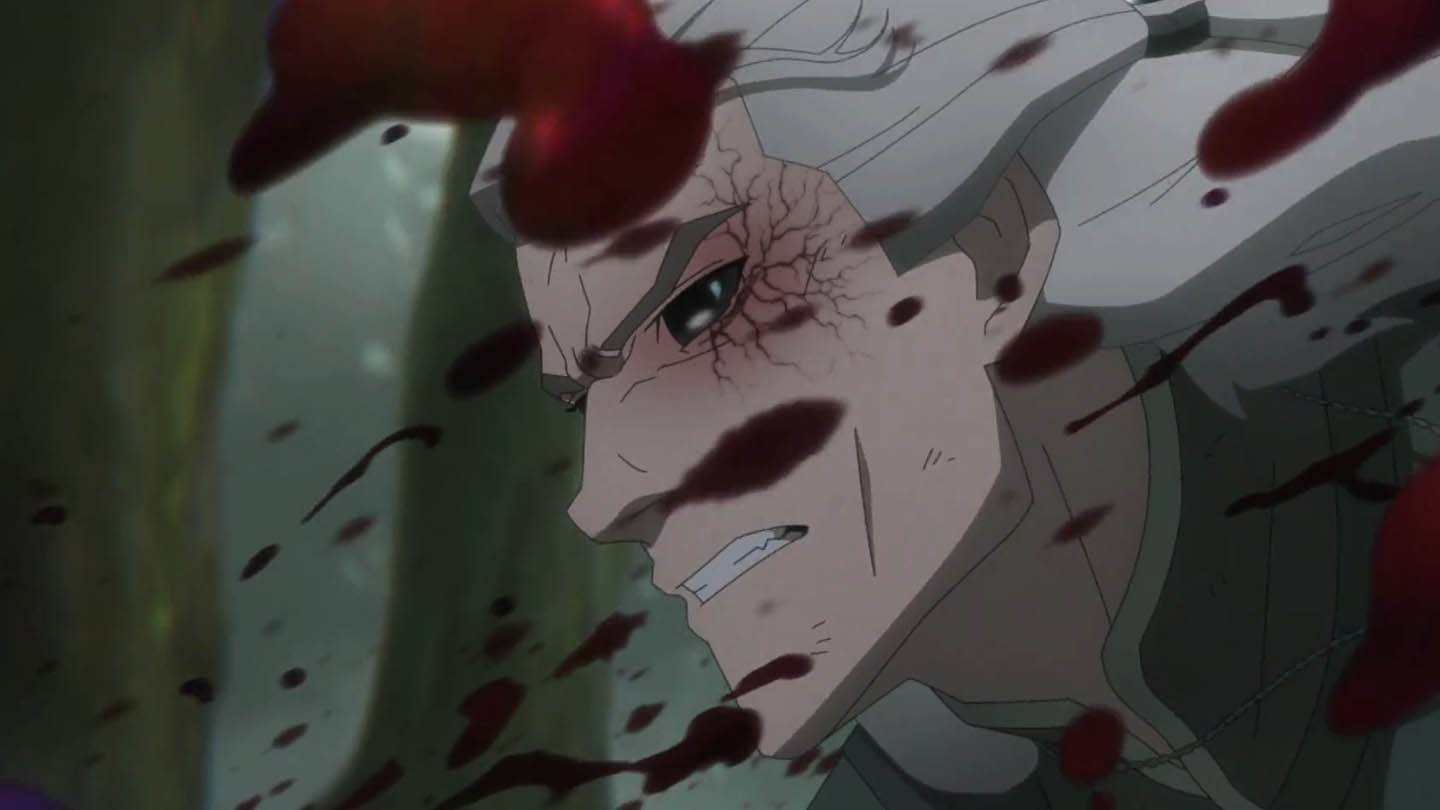
The combat sequences dazzle technically but sacrifice thematic depth for spectacle. Geralt employs signs and potions with superheroic abandon rather than the calculated precision fans expect. While visually kinetic, these battles lack the tactical complexity of Sapkowski's writing or CD Projekt Red's gaming interpretations.
Evaluating the Narrative Strengths
The film struggles to balance its multiple narrative threads. The tragic romance between Agloval and Sh'eenaz shows promise, but disruptive tonal shifts and an Ursula-inspired villain undercut dramatic tension. Eithne's wasted potential as both a bard and Geralt's potential romantic interest represents another missed opportunity.
Comparing to Other Witcher Adaptations
When measured against Nightmare of the Wolf, this installment feels less focused thematically. While maintaining the franchise's signature dark fantasy aesthetic, it lacks the emotional core that made Vesemir's origin story compelling. Still, the underwater visuals and expanded lore offer value for dedicated fans.
Production Challenges and Solutions
The animation team faced particular difficulties in realizing the merfolk's dual nature. Drawing from diverse mythological traditions and marine biology, they created beings that oscillate between beauty and menace through subtle design details and movement patterns.
Audience Reception and Critiques
Fan response has divided between appreciation for expanding lesser-known lore and frustration with characterization liberties. Online discussions particularly highlight disappointment in Eithne's underdevelopment and Geralt's occasionally uncharacteristic combat behavior.
Future of Animated Witcher Content
Despite mixed reception, the film's existence suggests Netflix remains committed to expanding Witcher media. Future projects might explore Ciri's journey or flesh out other beloved characters from the saga, potentially in different animation styles or formats.
Implications for Fantasy Adaptations
Sea of Sirens demonstrates both the potential and pitfalls of adapting rich literary universes. It serves as a case study in balancing creative interpretation with source material fidelity, offering lessons for future fantasy adaptations across various media platforms.
Final Verdict
For Witcher enthusiasts and animation fans, this film offers enough visual splendor and expanded lore to warrant viewing. However, those seeking narrative depth or faithful character portrayals may find it disappointingly superficial. Ultimately, it stands as an ambitious but flawed addition to the growing Witcher multimedia universe.