Video games have long evolved beyond simple, high-intensity action experiences. In a pre-pandemic world, "Death Stranding," from the creator of Metal Gear Solid, Hideo Kojima, explored the opposing themes of division and connection. Its highly conceptual narrative and innovative focus on traversal and delivery mechanics opened up entirely new creative avenues.
Now, with the sequel "Death Stranding 2: On the Beach," Kojima revisits this core question in an even more complex form: "Should we have connected at all?" As its June 26, 2025, release date draws near, we were curious to learn how Kojima’s perspective on the story has evolved in a world where societal divisions only seem to deepen.
The development of "Death Stranding 2" unfolded during the unprecedented global conditions of the COVID-19 pandemic. How did this experience lead Kojima to re-examine the very meaning of "connection"? How did he rebuild this concept while confronting new realities about technology, collaborative work, and the fundamental nature of our
relationships?
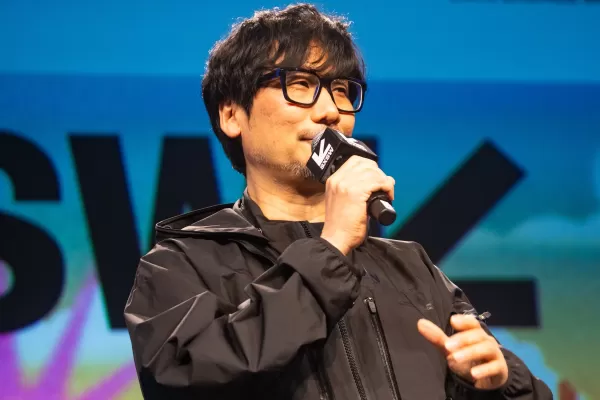
In this interview, Kojima discusses the philosophy guiding the game's creation, what elements were carried over from the first title, and his views on contemporary society's interaction with his work.